Travel Story: The Night I Missed the Last Ferry and Slept in a Fishing Village
The last crossing of the day left at 7:40 in the evening, or so the woman behind the bar in Orbetello had told me, and I repeated it to myself for the next ninety kilometres like a prayer. What I had not factored in was a roadworks sign with no explanation, a detour into hills with even less signage, and a borrowed car whose temperature gauge climbed every time the road tilted upward. I missed that boat by eight minutes. What followed turned out to be the best night of the trip.
A Plan Held Together by One Timetable
The plan was simple, which is usually where the trouble starts. Three days driving north from Rome along the Tyrrhenian coast, a house booked on the Isola del Giglio for two nights, and a ferry from Porto Santo Stefano that I had checked once, casually, on a phone screen in a café. One crossing in the early evening. That was the whole hinge of the itinerary, and I had built everything around it without giving it a second thought.
This is the classic coastal-road mistake. A driving trip feels flexible because you are the one holding the wheel, but the moment a boat or a bridge or a mountain pass is involved, your flexibility belongs to somebody else's schedule. I knew that in theory. I had simply never tested it with a car full of bags and a booking waiting on the other side.
The Road Has Its Own Schedule
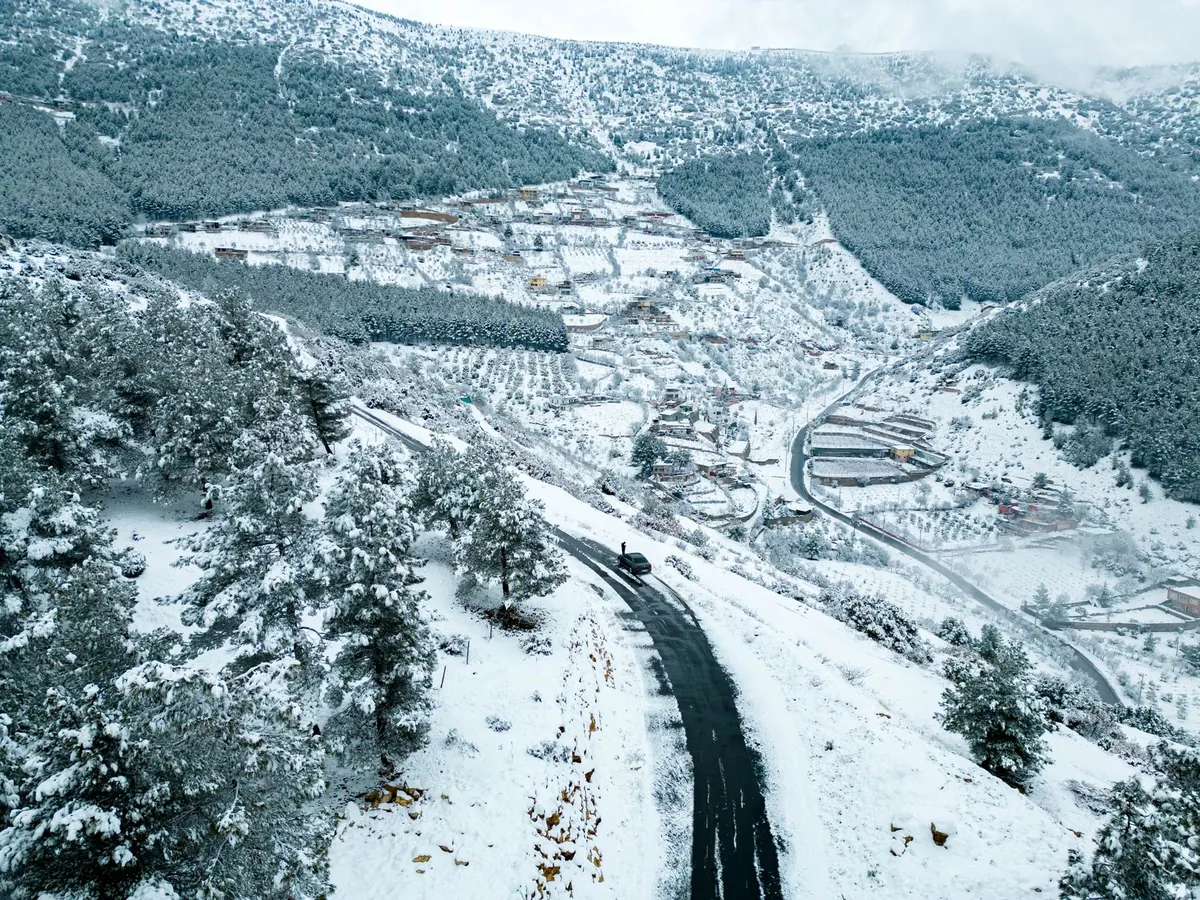
The Aurelia is a good road when it behaves. It runs close enough to the water that you catch glimpses of it between the umbrella pines, and there are stretches where the light turns the whole horizon the colour of a peach. It does not, however, behave in late June. A stretch near Civitavecchia had been reduced to one lane, and the queue moved in that particular stop-start rhythm that makes a clutch pedal feel like a personal enemy.
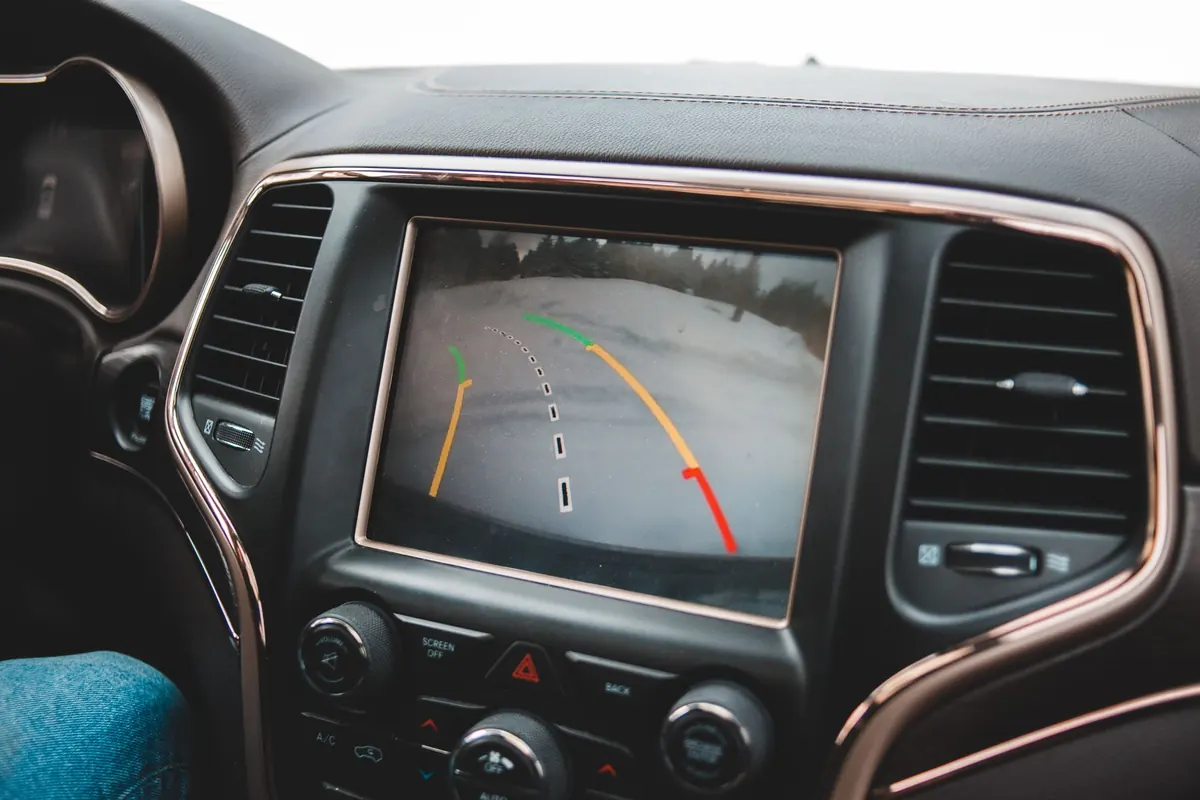
Then came the detour. A yellow sign pointed inland, and for forty minutes we climbed through hills with no villages, no petrol station and no confirmation that we were still going the right way. The car's temperature gauge crept up. My passenger, who had wanted to stop for a swim two hours earlier and been overruled, said nothing, which was worse than saying something.
We stopped once, badly, for a coffee that took twenty-five minutes because the barista was also running the tabacchi counter and there was a queue of people buying stamps. Good coffee. Expensive coffee, as it turned out.
Eight Minutes Late
We came down into Porto Santo Stefano at 7:32 and I genuinely thought we had made it. The harbour was right there, the water was flat, the ramp was down. What I had not understood is that the ramp stays down until the boat leaves, and the boat had left the quay at 7:24 with a full load.
The ticket window was shuttered. A man was hosing down the concrete, which is the universal language for this part of the day is finished. The next crossing was at 6:50 the following morning, and the one after that at nine.
There is a particular silence that arrives when you realise the thing you were racing towards has already happened without you.
We sat on a bollard for a while, doing the arithmetic out loud: sleep in the car, sleep on a bench, pay for a hotel in a port town in high season, or drive on and give up on the island entirely. None of the options appealed. Then a barman emptying his terrace suggested we try the village down the coast, where his cousin's brother-in-law had rooms above a boatyard. I am still not sure how much of that was true and how much was him being kind to two tired strangers.
What to Do Before You Feel Sorry for Yourself
If you find yourself at a quay with the boat already gone, the order of operations matters more than the sympathy. This is what I would do again, and roughly what we did:
- Confirm the next departure in person or by phone, not from memory. Timetables shift with the season, and the first morning boat is often earlier than anyone expects.
- Ask whether a second operator runs the same route. Small islands are frequently served by more than one company, and they do not always share a ticket desk.
- Check the car. If you are leaving it at the port, confirm what overnight parking costs and whether the lot is attended. If you are driving on, check fuel before you go hunting for a bed.
- Find a room within walking distance of something. A cheap bed ten kilometres inland is not a bargain if it leaves you eating crisps in a lay-by.
- Call whoever is expecting you. A guesthouse on the island, a friend, a booking platform. A one-line message that night is worth a difficult phone call at breakfast.
- Eat properly. It sounds trivial. It is not. Decisions made hungry are almost always the wrong ones.
A Village With One Lit Window
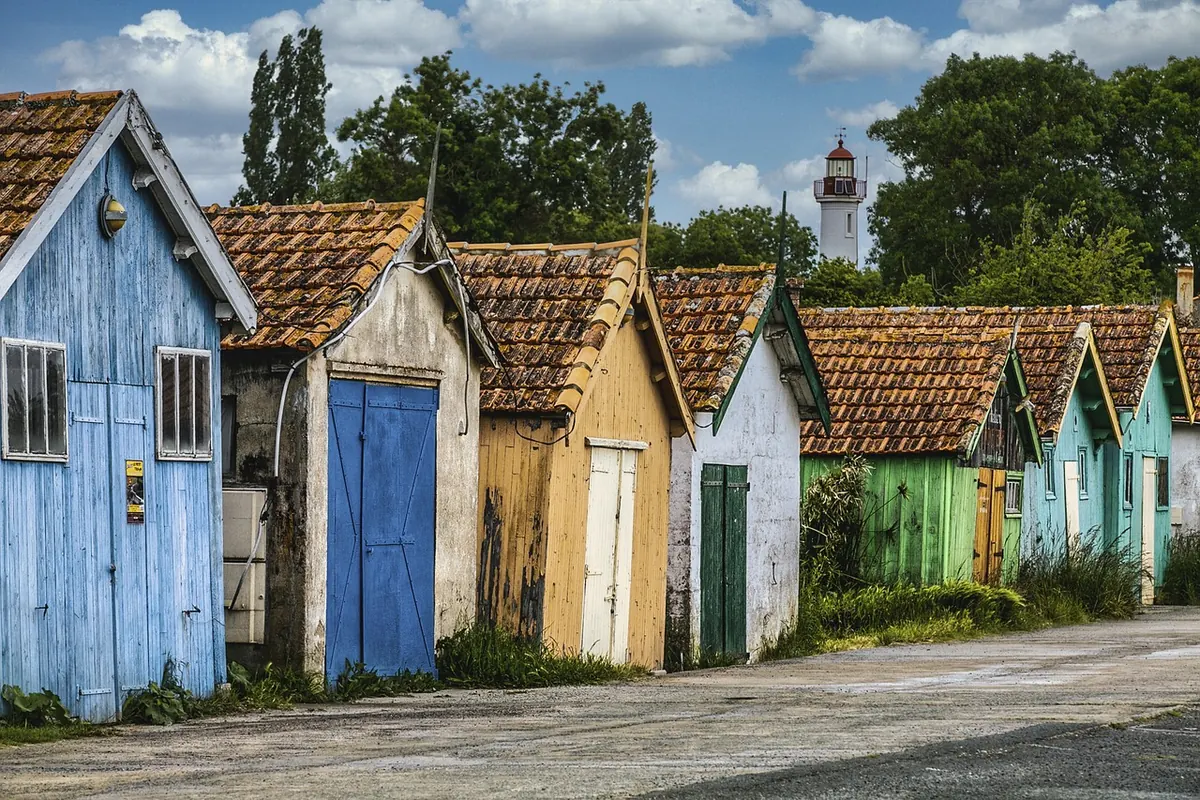
Talamone sits on a headland with a small harbour and a fortress that looks like it was dropped there by accident. We arrived after nine, when the light had gone blue and the fishermen were coiling rope under a single lamp. The bar's cousin's brother-in-law turned out to exist, more or less. He had a room above the boatyard, reached by an external staircase, with a window that opened onto the masts and a fan that clicked on every second rotation.
Dinner was at a trattoria with eleven tables where the menu was recited rather than printed. We ate anchovies, a plate of pasta with something green and sharp, and a bottle of white that arrived without a label. The family at the next table was arguing gently about a boat engine. Nobody looked at us twice. That is the specific gift of a village that has no reason to perform for visitors: it just carries on, and lets you sit inside it for an evening.
We walked back along the harbour wall. The water slapped at the stone and somewhere behind us a dog was being told off. That was the whole entertainment, and it was plenty.
Morning, and a Boat I Nearly Didn't Need
I woke at six to the sound of an outboard and the smell of diesel and coffee. Downstairs, the boatyard man was already at work and pointed me towards a bar where the brioche came out of the oven at half past six. From the terrace I could see the ferry route laid out across the water like a road on a map.
We caught the nine o'clock crossing, which meant we had three hours to spend on the harbour wall with pastries and a second coffee. We could have taken the 6:50 and been on the island by eight. I am glad we didn't. Somewhere in that unscheduled morning, the trip stopped being an itinerary and became a journey, and I have been slightly less rigid about coastal timetables ever since.
If You Miss the Last Crossing: Practical Notes
These apply to island ferries anywhere, and to any coastal road trip where a boat sits between you and your bed.
- Build slack into ferry-linked days. Aim to arrive at the port for the crossing before the last one. That buffer is not wasted time; it is insurance against a closed lane and a slow coffee.
- Screenshot the timetable and the ticket office phone number. Coastal signal is patchy and ferry websites are often slow on a phone.
- Ask a local, not just an app. Bar staff, harbour staff and taxi drivers usually know which crossing actually runs on a Tuesday in October.
- Keep a small overnight bag accessible in the boot. Toothbrush, chargers, a change of clothes, any medication. If the day goes sideways, you are not unpacking the whole car at eleven at night.
- Carry some cash. Small harbours and village trattorias are not always equipped for card payments after dark.
- Tell your accommodation you may be late. Most small guesthouses would rather hear from you at eight in the evening than find an empty room and no explanation.
One genuinely useful habit: treat the last ferry as a deadline you will not make, and plan as though you are catching the one before it. You will either gain an evening on the island or a night in a village you had no intention of visiting. Both are good outcomes. Only one of them is the one you planned for.
Photo: picardzucht / Pixabay