How to Photograph a Road Trip Without Making It Feel Like a Checklist
The most forgettable road trip photos are rarely bad. They're accurate. There's the car at the overlook, the sign at the state line, the four of you squinting into the sun because somebody insisted on a group shot. Each frame proves you were there. Almost none of them remind you what the day actually felt like.
A checklist isn't a story, it's an inventory, and a camera is very good at inventory. It will faithfully record every landmark you pass and miss every reason the place stayed with you. The fix isn't a better lens or a longer shot list. It's a change in what you point the thing at, and how often.
Start With What You Noticed, Not What You Planned
Before you leave, resist the urge to build a shot list. Instead, write down two or three things you want to pay attention to. Not subjects — habits of looking. On a recent run down the coast, mine were: hand-painted signs, people working, and the way small towns look at seven in the morning. That's it. No itinerary of images to tick off.
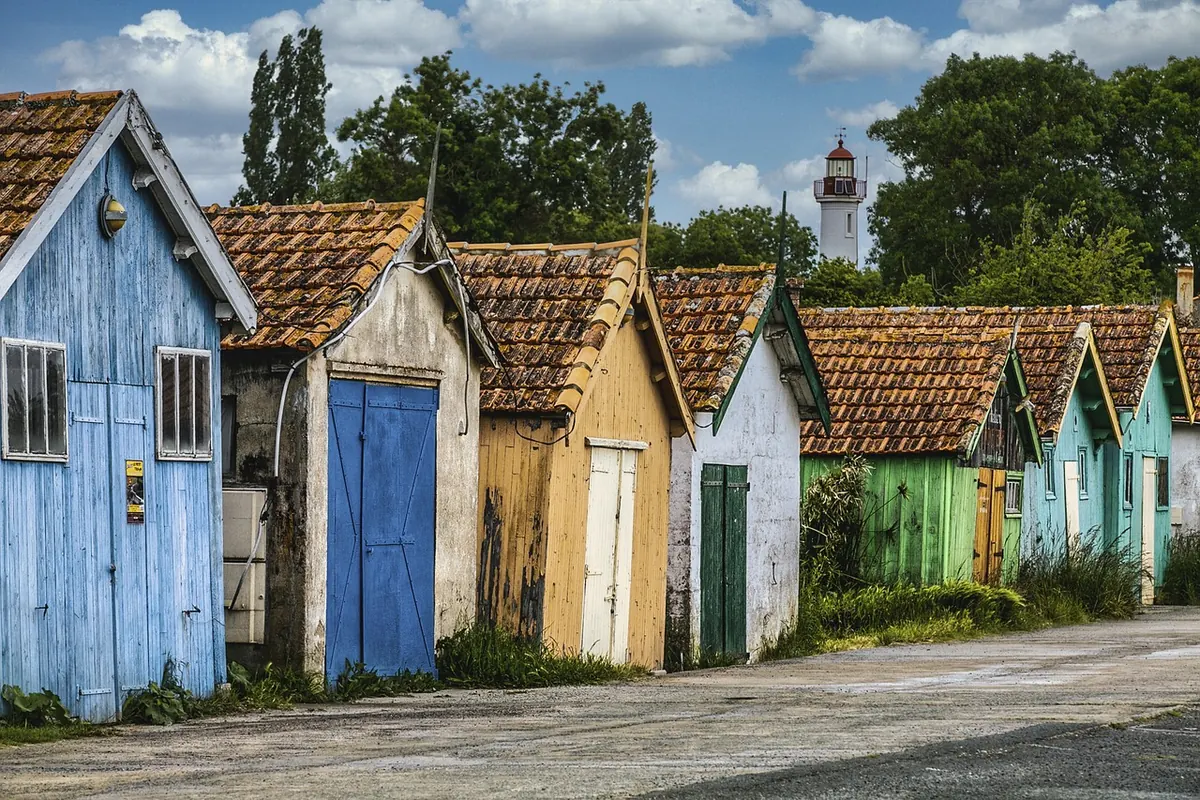
An intention like that does something useful. It gives you permission to shoot things that aren't the point of the trip. The diner counter with the scratched laminate. The motel key on the nightstand. The back of a pickup loaded with firewood in a town you can't name. These aren't the places you drove to, but they're the trip.
Shoot first, decide later. The most common mistake is standing in front of something good and thinking, is this worth a photo? while it disappears. Take the frame. You can delete it tonight; you can't take it tomorrow.
Photograph the In-Between
Destinations get about ten percent of the hours and ninety percent of the photographs. That's backwards. The real texture of a road trip lives in the waiting: the forecourt, the queue, the loading of the car in the rain, the twenty minutes nobody had anything to say.
Try this at every stop. Before you drive off, shoot three things — what's in front of you, what's behind you, and one detail within arm's reach. It takes ninety seconds and it will give you a better record of the day than the panorama you hiked to.
Turn around before you pull out
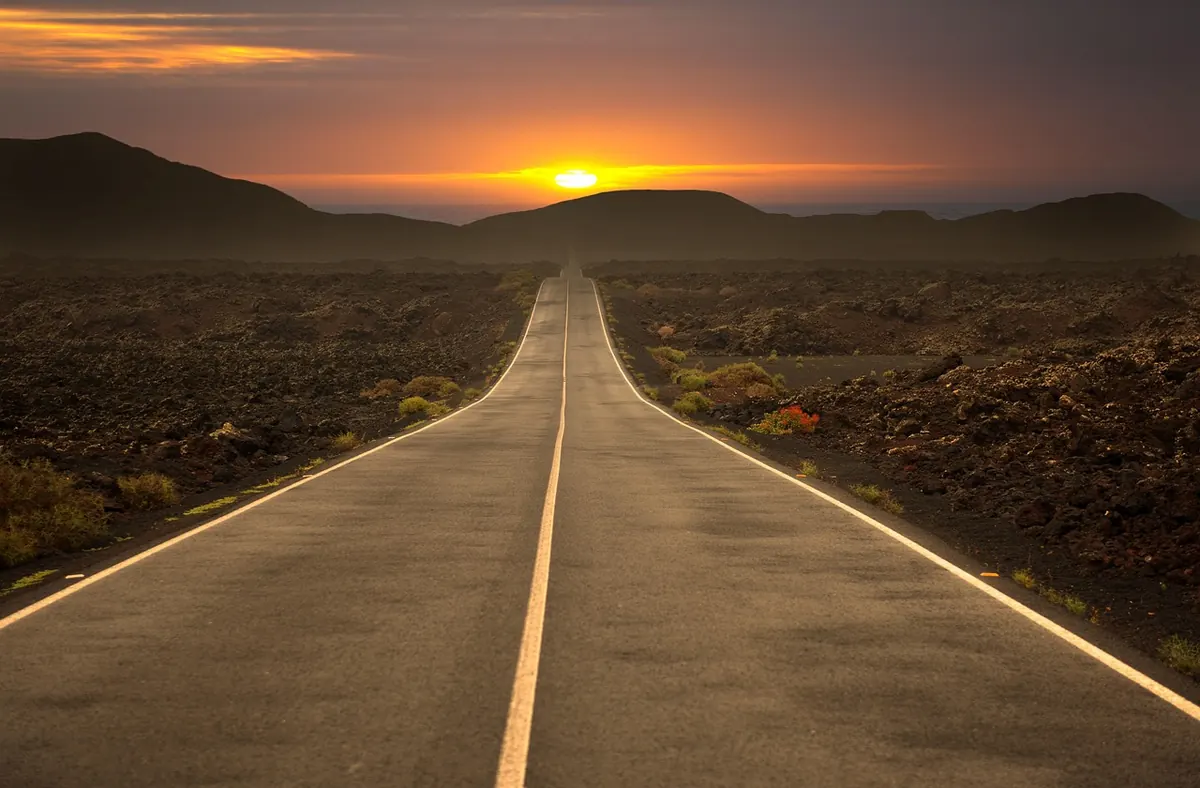
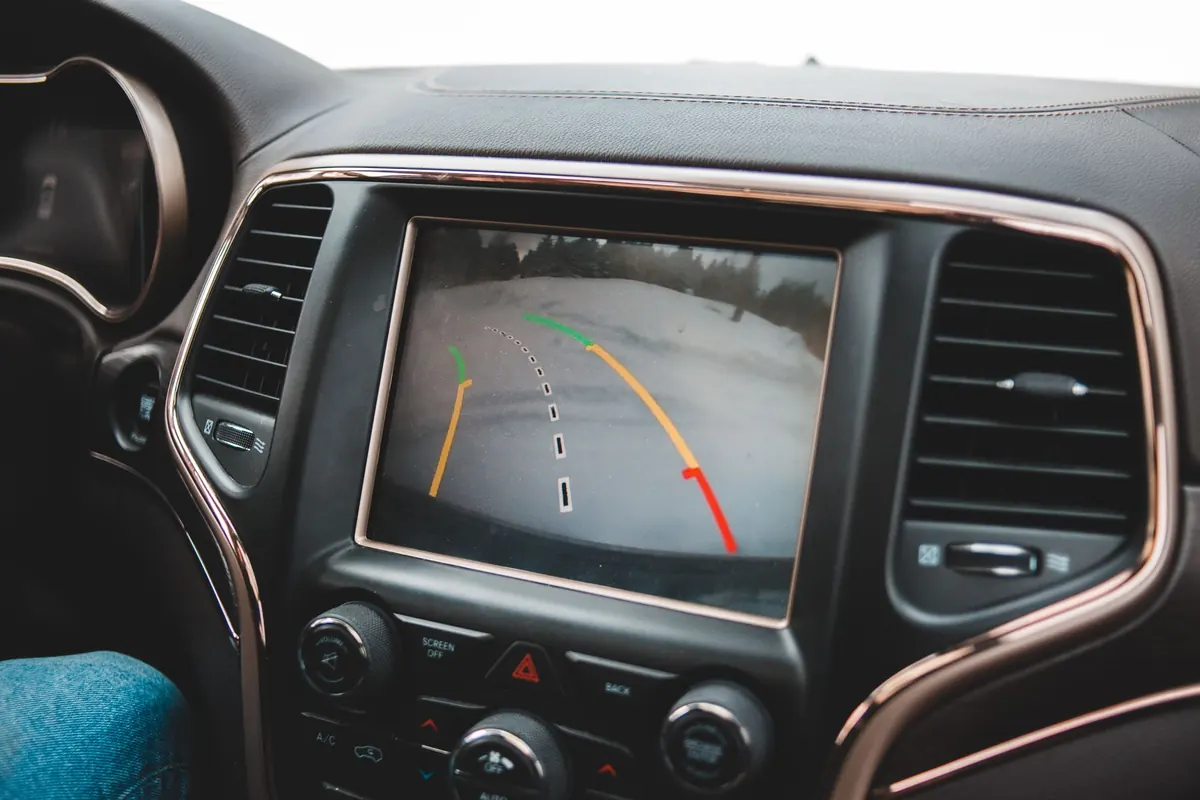
The light is often better behind you, and so is the picture. The view back down the road you came from tells a story the forward view can't: where you've been, what the day looks like from the other side. Same with doorways, walls, the underside of things. Train yourself to shoot in both directions.
Worth collecting:
- The road behind you, caught in the wing mirror
- Bags and jackets on the back seat, mid-trip and slightly chaotic
- Hands on the wheel, or a hand out the window at low speed
- Someone asleep against the glass with the landscape sliding past
- A fuel stop at dusk, when the canopy lights come on
- The pavement under your feet while you wait for someone
Shoot the wait, not just the arrival.
Get Close Enough to Be Specific
If every frame in your folder is shot from eye level, four or five steps back, the whole trip will look like it happened at one distance. That's why road trip galleries feel flat even when the places were extraordinary. Distance is generic. Closeness is specific.
Build a habit: for every wide shot that sets the scene, take one that fills the frame with a single thing inside it. The wide shot says we were here. The close shot says this is the kind of place it was. A peeling sticker on a bumper, the salt shaker on a formica table, a hand resting on a dog's back — those are the frames that bring the day back years later.
Fill the frame properly. If a detail matters, get it to the edges. Cropping later is fine, but if you shoot everything loose and polite, every image ends up with the same polite emptiness.
Stop Directing People
The moment someone says "hold on, do that again", the photograph dies. What you get instead is a performance of the moment, which is never as good as the moment.
Photograph people while they're doing something: folding a map, arguing about the route, eating standing up, leaning on the car with a coffee. Hands, shoulders and backs are all you need — a face isn't required for a photo to be about a person. And if you're travelling with someone who hates being photographed, work around it. Shoot them from behind, at a distance, reflected in a window, half out of frame.
Be decent about it. If you're photographing strangers in a street or a shop, a nod, a lifted camera and a smile will usually do; if someone signals no, put it down and move on. Don't post a recognisable stranger in an unflattering or intrusive moment. Being on the road doesn't transfer anyone's privacy to you.
Work With the Light You Actually Get
Golden hour is lovely and mostly unavailable, because road trips happen at inconvenient times of day. Learn to like what's there.
Hard midday light is not the enemy. It gives you shade, which is a free frame: doorways, awnings, the shadow side of a building, the inside of a café. Look for hard shapes on the ground. Put people in the shade and let the bright background blow out a little — that harshness is honest to how the afternoon felt.
Overcast days are the best conditions for details: signs, colours, textures, faces. Shoot the ordinary stuff then, save the wide landscapes for when the light softens. And clean the windscreen before you shoot through it — half of all road-trip shots are compromised by a smudge you never noticed at the time. Reflections on glass can be a frame or an accident; decide which and shoot accordingly.
Edit Like an Editor, Not an Archivist
Most trips fail at the desk, not behind the camera. Five hundred images arrive home and become a folder nobody opens.
So cut. Not down to the best fifty, down to the ones that carry the story. Two frames that do the same job means one gets deleted — always the weaker one, no matter how good the light was. Then put photos side by side so they start to talk to each other: the wide exterior next to the close detail, the morning road next to the evening queue, motion next to stillness. Sequence beats quantity every time.
Do the first pass the same night, or within a couple of days. Memory is the raw material of editing, and it goes off fast. Delete the five obvious frames, keep the strange one that you weren't sure about, and don't wait for the trip to finish before you begin sorting.
A Simple Routine for the Road
- Each morning, pick one thing you're paying attention to. Write it down somewhere.
- At every stop, shoot three frames: ahead, behind, within arm's reach.
- Every evening, delete five photographs. Start with the ones you didn't need.
- Once a week, choose one image that isn't the obvious favourite.
- On the last day, build a sequence of twenty-five frames and see if it holds as a story.
The goal isn't a complete record. Nobody wants a complete record, including you in five years' time. What you want is a set of images that behaves like a memory: uneven, close-up, a bit out of order, and full of things you'd have forgotten if you hadn't been paying attention.
Photo: Erik Mclean / Pexels