Road Trip Packing Checklist for Shoulder-Season Travel: 35 Items You'll Actually Use
Shoulder season is the road-tripper's quiet bargain. The honeypot towns have emptied, the light is longer and softer, and a night in a village hotel costs what it should. What you pay for that bargain is weather with no manners. A morning that starts at four degrees can end at twenty, and a two-hour drive can carry you from warm sunshine to drizzle to a mountain pass with frost still in the shadows.
You can't solve that with a bigger suitcase. You solve it with a smarter one: layers you can shed without undressing in a car park, a small kit for the boring failures that ruin a day, and a handful of things that turn a stressful afternoon into a story worth telling. Here are the 35 items worth loading.
Pack for Three Seasons in One Day
The mistake people make in April and October is packing for the average. There is no average. Pack for the range instead, using three layers you can combine in any order: a base layer that moves sweat away from your skin, a midlayer that traps warmth, and a shell that keeps rain and wind out. Everything else is detail.
Cotton is the weak link. A damp cotton t-shirt at a windy viewpoint chills you fast, so keep it for sleeping or driving and let merino or a synthetic blend sit next to your skin. If you're heading for hills, remember that temperature falls as you climb; the pass at 1,500 metres may be ten degrees cooler than the valley you woke up in, and the difference is often cloud rather than distance.
Pack for five days whatever the length of the trip. Anything longer means a laundrette, a sink and a travel line, or a very forgiving passenger.
The Clothing: Twelve Items
- Three base-layer tops — two short-sleeve, one long-sleeve, in merino or a quick-dry synthetic.
- A long-sleeve midlayer — a light fleece or thin wool jumper that fits under the shell.
- A packable insulated jacket — down or synthetic, small enough to live behind the seat.
- A waterproof shell with a hood — the single most useful garment you'll bring.
- Sturdy trousers — one pair for walking, town and cold mornings.
- Lightweight trousers or shorts — for the unseasonal afternoon that always arrives.
- Socks and underwear for each day, plus one spare set — the extra set earns its place when boots get wet.
- A warm hat — a beanie takes up less space than the mood a cold summit ruins.
- Light gloves — thin ones for scraping windows, holding a camera, and eating outside when the sun tricks you.
- A neck gaiter or scarf — wind protection that doubles as a pillow against a headrest.
- Broken-in walking shoes — never new ones, and never the pair you save for nice dinners.
- Waterproof shoes or boots — even a modest pair changes a wet day completely.
Two pairs of footwear is not a luxury on a shoulder-season trip. One pair dries while you wear the other. Shake the shell out and hang it overnight rather than crumpling it into a bag, and it will keep working for years.
The Car Kit: Eleven Things Worth the Boot Space
Cars fail in dull, predictable ways: a flat battery, a soft tyre, a windscreen you can't see through. Deal with those before you leave and most of the drama disappears.
- A paper road atlas — no signal, no problem, and it settles arguments about the next turn.
- A phone mount and charging cable — fixed to the dash, not sliding across the passenger seat.
- A power bank — charged before departure, not discovered empty.
- A 12V USB adapter — two sockets if you have two phones and a camera.
- A torch or headlamp — with spare batteries, for finding the hotel in the dark.
- A tyre pressure gauge — cold nights drop pressure, so check on a chilly morning before a long run.
- A basic tool kit or multitool — enough for a loose bracket or a stubborn screw.
- Jump leads or a jump starter pack — the single most borrowed item on any road trip.
- A windscreen scraper and de-icer — autumn mornings at altitude surprise people every year.
- An insulated cooler bag — for market cheese, a picnic lunch and cold drinks.
- Reusable water bottles — filled before you leave the town, not at a motorway stop.
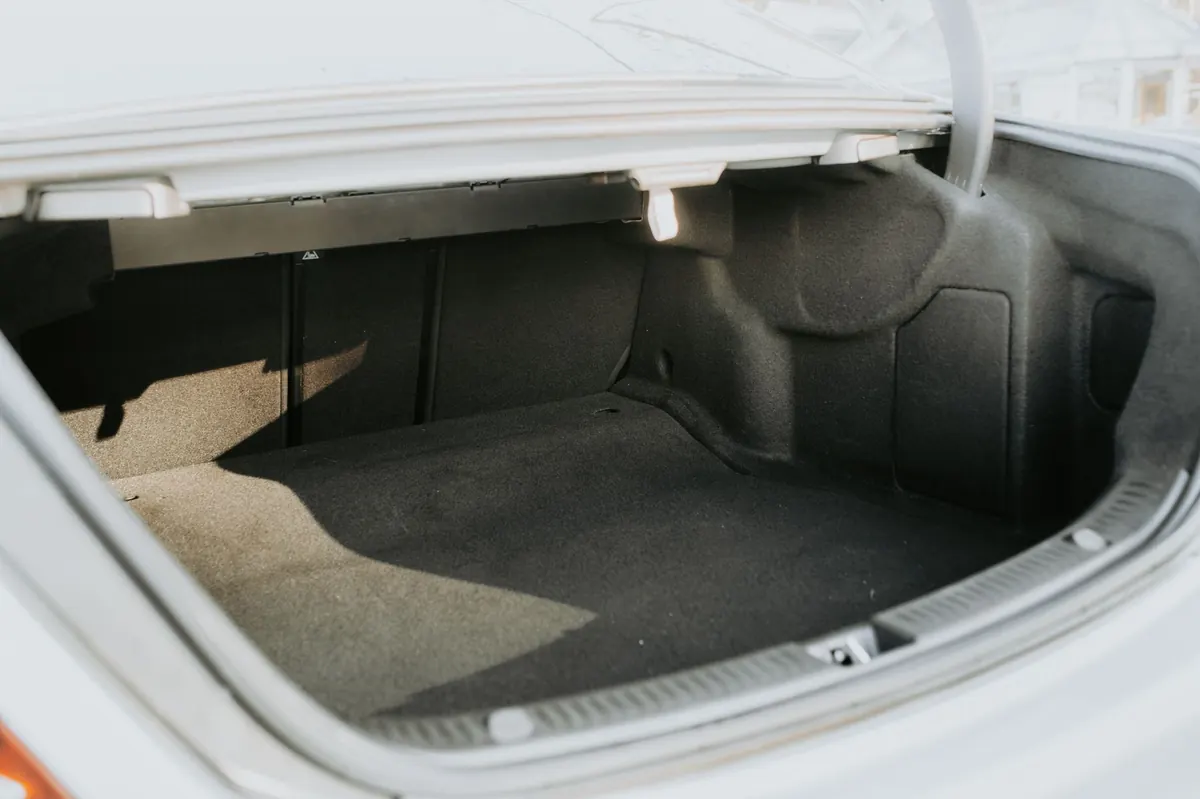
Keep the boot organised in two shallow crates so you aren't unpacking the whole car to reach a torch. Put the things you need at stops — water, cloths, a bag for rubbish — in the cabin, within arm's reach.
Safety and Emergency: Eight Items You Hope to Ignore
This part is unglamorous and takes up very little room. Assemble it once and leave it in the car permanently.
- A first aid kit — plasters, antiseptic wipes, painkillers, blister pads, tweezers.
- A hi-vis vest for each seat and a warning triangle — many European countries require these; check the rules for every country on your route before you cross a border.
- A foil emergency blanket — thin as paper, worth its weight if you're stuck in the cold.
- Duct tape — wrapped around a pencil stub rather than a whole roll.
- A few zip ties — for a rattling trim, a lost hubcap, a temporary fix.
- Printed documents — insurance, breakdown cover number, emergency contacts, and a note of any allergies.
- A little cash and a spare card — kept separately, because rural card readers do fail.
- Two litres of water and non-perishable snacks — a backup ration, not the picnic.
A sensible note: if you take regular medication, carry more than the trip needs and keep it in your hand luggage rather than the boot. For anything health-related, ask your pharmacist or doctor before you travel, and check the rules for bringing medicines across borders.
The Small Stuff: Four Extras That Earn Their Place
Sunscreen and lip balm, even in October; sunburn on a ski lift or a coastal walk in weak-looking light is entirely normal. A small daypack that folds flat, so you can leave the suitcase at the hotel. A couple of microfibre cloths for misted windows and muddy shoes. A reusable cup or small thermos, because a flask of coffee at a windy viewpoint beats a queue at a service station.
Before You Turn the Key
Run through this in the ten minutes before you leave. Check the forecast for the pass or the coast, not just your departure city. Download offline maps for the blank stretches. Tell someone the rough route and the night's stop. Fill the tank before the remote section rather than hoping. And put water and snacks in the cabin, not the boot, where nobody reaches for them until it's too late.
Then stop packing. Shoulder season rewards people who travel light and adapt quickly: a spare hour for the road that looks interesting, a jacket within reach, a boot that's already broken in. Take the 35 things, leave the rest, and let the weather do what it likes.
Photo: Luke Miller / Pexels